

Are you tired of the same old workout routines that feel monotonous and fail to deliver the desired results? Suppose you want to break free from conventional fitness methods and unleash your full strength potential. In that case, kinetic lifting might be the perfect solution for you. In this article, we’ll delve into the world of kinetic lifting, exploring its definition, the science behind it, its benefits, and how you can incorporate it into your fitness regimen.
What is Kinetic Lifting?
Kinetic lifting, also known as dynamic lifting, involves strength training exercises that incorporate explosive movements and simultaneously utilise multiple muscle groups. Unlike traditional weightlifting, which often involves slow and controlled movements, kinetic lifting focuses on harnessing the body’s full power through rapid acceleration and deceleration of weights.
What Are Kinetic Lifting Techniques?
Kinetic lifting techniques involve using the principles of physics and momentum to move heavy objects. Unlike traditional lifting methods that rely solely on muscular force, kinetic lifting utilizes mechanical assistance and clever use of inertia to lift items efficiently.
Understanding the Mechanics of Kinetic Lifting
At its core, kinetic lifting relies on converting potential energy into kinetic energy. By creating momentum and leveraging mechanical advantages, kinetic lifting allows the operator to lift heavier loads with reduced effort.
Common Applications of Kinetic Lifting Techniques
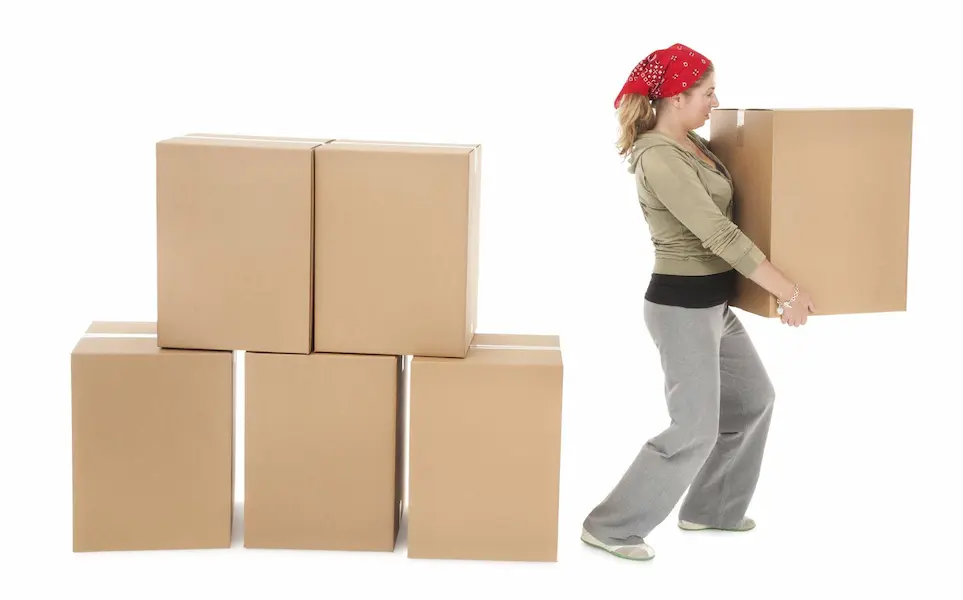
Kinetic lifting has applications in various industries, including construction, manufacturing, warehousing, and logistics. It is precious in situations where frequent heavy lifting is required.
Safety Considerations When Employing Kinetic Lifting
While kinetic lifting is generally safer than traditional lifting methods, it still requires proper training and attention to safety guidelines to avoid accidents and injuries.
Step-by-Step Guide to Proper Kinetic Lifting
- Assess the Load: Determine the weight and size of the object to choose the appropriate lifting technique.
- Position Yourself Correctly: Maintain a stable stance and grip on the lifting tool or equipment.
- Generate Momentum: Use short, controlled movements to create the necessary momentum for lifting.
- Time Your Efforts: Coordinate your actions to synchronize with the object’s movement for smoother lifting.
- Maintain Control: Even with kinetic lifting, controlling the load and ensuring it doesn’t become a hazard is essential.
Benefits of Kinetic Lifting
Improved Muscle Strength and Endurance
The explosive nature of kinetic lifting stimulates fast-twitch muscle fibres, leading to significant gains in strength and endurance. This unique approach can help you break through strength plateaus and achieve new personal records.

Enhanced Flexibility and Mobility
Incorporating kinetic lifting movements improves flexibility and mobility, as the exercises require a full range of motion. This can enhance athletic performance and reduce the risk of injuries related to tight muscles.
Increased Metabolic Rate and Calorie Burn
The intensity of kinetic lifting workouts causes a spike in the metabolic rate, resulting in increased calorie burn during and after the exercise session. This makes it a practical option for those aiming to lose weight and improve body composition.
Reduced Risk of Injury
Contrary to the common belief that explosive movements are more injury-prone when performed correctly and under supervision, kinetic lifting can strengthen connective tissues, reducing the risk of injuries.
Common Techniques and Exercises
Several kinetic lifting exercises can be incorporated into your workout routine. Here are some popular ones:
Deadlifts
The deadlift is a classic kinetic lifting exercise that targets the posterior chain, including the hamstrings, glutes, and lower back. It involves lifting a barbell or dumbbell from the ground to standing.
Squats
Squats are effective kinetic exercises that engage the quadriceps, hamstrings, glutes, and core. Adding explosive jumps to squats can intensify the workout and maximise results.
Kettlebell Swings
Kettlebell swings work the entire body, focusing on the hips, glutes, and core. The explosive swinging motion activates the muscles and improves cardiovascular fitness.
Medicine Ball Throws
Medicine ball throws involve throwing a weighted ball explosively, engaging the upper body, core, and legs. They are excellent for enhancing power and coordination.
Kinetic Lifting vs Traditional Lifting
While both kinetic and traditional lifting have their merits, kinetic lifting offers a more dynamic and engaging workout experience. It activates a more significant number of muscle fibres, leading to quicker progress and improved functional strength.

Enhancing Efficiency in Warehousing with Kinetic Lifting
Warehouses dealing with heavy pallets and containers can streamline operations and protect workers’ health by adopting kinetic lifting methods.
Improving Ergonomics and Reducing Injuries in Manual Labor
Manual labor jobs that involve repetitive heavy lifting can lead to injuries over time. Kinetic lifting can help mitigate these risks and improve the overall ergonomics of the workplace.
The Future of Kinetic Lifting: Innovations and Trends
As technology advances, we can expect more innovations in kinetic lifting, making it even more efficient and widespread across industries.
Comparing Kinetic Lifting with Traditional Lifting Methods
A thorough comparison of kinetic lifting with traditional lifting methods will help businesses decide which approach suits their needs.
Tips for Training Employees in Kinetic Lifting Techniques
Proper training and education for employees are crucial to ensure the successful implementation of kinetic lifting techniques.
Incorporating Kinetic Lifting into Your Workout Routine
If you’re eager to try kinetic lifting, consider adding it to your existing workout routine. It’s essential to learn proper form and seek guidance from a certified trainer to prevent injuries.
Precautions and Safety Tips
As with any form of exercise, safety is paramount. When performing kinetic lifting exercises, be mindful of your body’s limits, and do not overexert yourself. If you have any pre-existing medical conditions, consult your physician before beginning any new exercise regimen.
Success Stories: Real-Life Experiences with Kinetic Lifting
Hearing success stories from individuals who have benefitted from kinetic lifting can be motivating. After incorporating kinetic lifting into their routines, many people have experienced remarkable transformations in their strength, fitness levels, and overall well-being.
The Future of Kinetic Lifting in Fitness
As the fitness industry evolves, kinetic lifting is expected to gain even more popularity. Its unique approach to strength training and impressive results will continue attracting fitness enthusiasts worldwide.
Conclusion
Kinetic lifting offers a refreshing and effective way to elevate your fitness journey. Incorporating dynamic and explosive movements into your routine can unlock your full strength potential and achieve fitness goals that once seemed out of reach. So why wait? Embrace the power of kinetic lifting and experience the transformative effects on your body and mind.
FAQs
Is kinetic lifting suitable for beginners?
While kinetic lifting can be more intense, beginners can start with lighter weights and simple movements to gradually build their strength and skills.
How often should I perform kinetic lifting workouts?
Including kinetic lifting workouts 2-3 times per week is recommended, allowing adequate rest and recovery between sessions.
Can kinetic lifting help with weight loss?
Yes, kinetic lifting can significantly contribute to weight loss as it boosts metabolism and burns calories effectively.
Is kinetic lifting safe for older adults?
Kinetic lifting can be safe for older adults, but it’s crucial to consult with a fitness professional to tailor the exercises according to individual capabilities and needs.
Can I do kinetic lifting at home?
Yes, you can perform kinetic lifting exercises at home with the right equipment and guidance. However, ensure you have enough space and use proper safety precautions.